2026/10/9 12:54:34
9 October 2026 | BURY CABLE Industry News
A new International Energy Agency review has put electricity-grid investment and regional cooperation back in focus for Southeast Asia. Published on 5 October, the ASEAN Energy Security Review projects that the region's electricity demand will grow by around 5.4% annually between 2026 and 2030, driven by cooling, industry and data centres.
The IEA says meeting this demand reliably will require investment in generation, grids and system flexibility, alongside planning for fuel-supply disruption and extreme weather. Its recommendations include stronger national preparedness and closer cooperation between ASEAN countries.
The review calls for electricity networks to be expanded and modernised, and identifies the ASEAN Power Grid as a way to share resources, reserves and emergency support. For cable buyers, these developments provide a reason to review how upcoming projects specify and procure electrical infrastructure.
BURY CABLE's assessment: the relevance extends beyond large transmission links. Substation auxiliaries, distribution feeders, industrial connections, protection circuits and monitoring systems each require cable packages with clearly defined interfaces. A regional demand forecast does not establish the volume, timing or technical requirements of any individual cable tender.
Project teams should distinguish the main power circuits from control and communication circuits early in the enquiry process. A single description such as “substation cable” leaves too much scope for inconsistent quotations.
| Project package | Details to confirm before quotation |
|---|---|
| MV distribution feeders | Rated voltage, conductor size, insulation system, metallic screen, fault-duty requirements and accessory interfaces. |
| LV power and auxiliary circuits | Circuit loading, installation method, conductor arrangement, armour, sheath and applicable project standard. |
| Control and instrumentation circuits | Core or pair count, signal type, individual or overall screening, identification and termination requirements. |
| Communication links | Equipment interface, protocol, electrical or optical parameters, route length and environmental conditions. |
These are procurement checkpoints, not a substitute for the project engineer's cable design. The appropriate construction depends on the approved specification and the conditions of installation.
For tropical installations, enquiries should identify outdoor exposure, water ingress risks, site temperatures, soil conditions and any coastal or chemical exposure. These conditions should be translated into explicit material and test requirements rather than a general request for a “heavy-duty” cable.
Armour, water-blocking provisions, UV resistance and fire performance serve different purposes. Confirm which are required for each route. Where fire performance is specified, state the relevant test and acceptance criteria; a sheath description alone is not enough to establish every fire-related property.
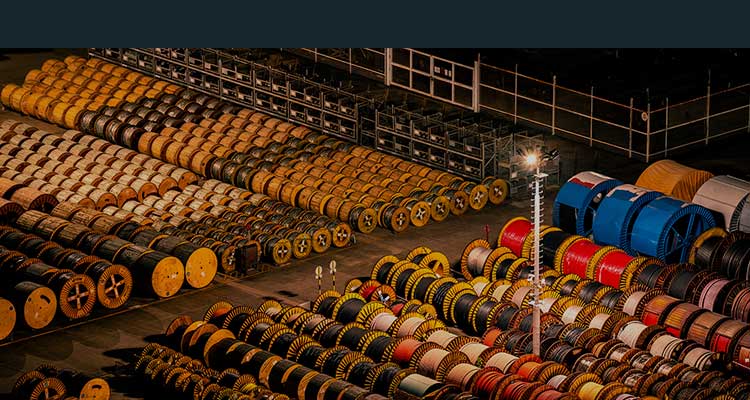
Before placing an order, align the approved cable schedule with drum lengths, pulling sections, storage space and the commissioning sequence. Agree which drawings, inspection records and test reports must be accepted before dispatch. Confirm accessory availability alongside the cable itself.
Commercial comparisons should use the same delivery scope, quantities, currency and price-validity basis. Where a quotation includes a metal-price adjustment mechanism, make its reference and calculation clear. These steps help purchasing teams identify differences that a unit-price comparison may miss.
The new IEA review reinforces the importance of coordinated infrastructure planning. BURY CABLE's practical recommendation is to turn that broad outlook into a complete, project-specific cable enquiry before seeking firm prices.
Send the cable schedule, destination, installation conditions, required standards and delivery programme to [email protected] for review. Include the consultant's specification and any required inspection or certification documents.
Related technical guide: LV cable sizing, current capacity, derating and voltage drop.
Sources: IEA announcement, 5 October 2026; ASEAN Energy Security Review executive summary. The procurement observations above are BURY CABLE's commentary.